How This Community Made September About More Than Awareness
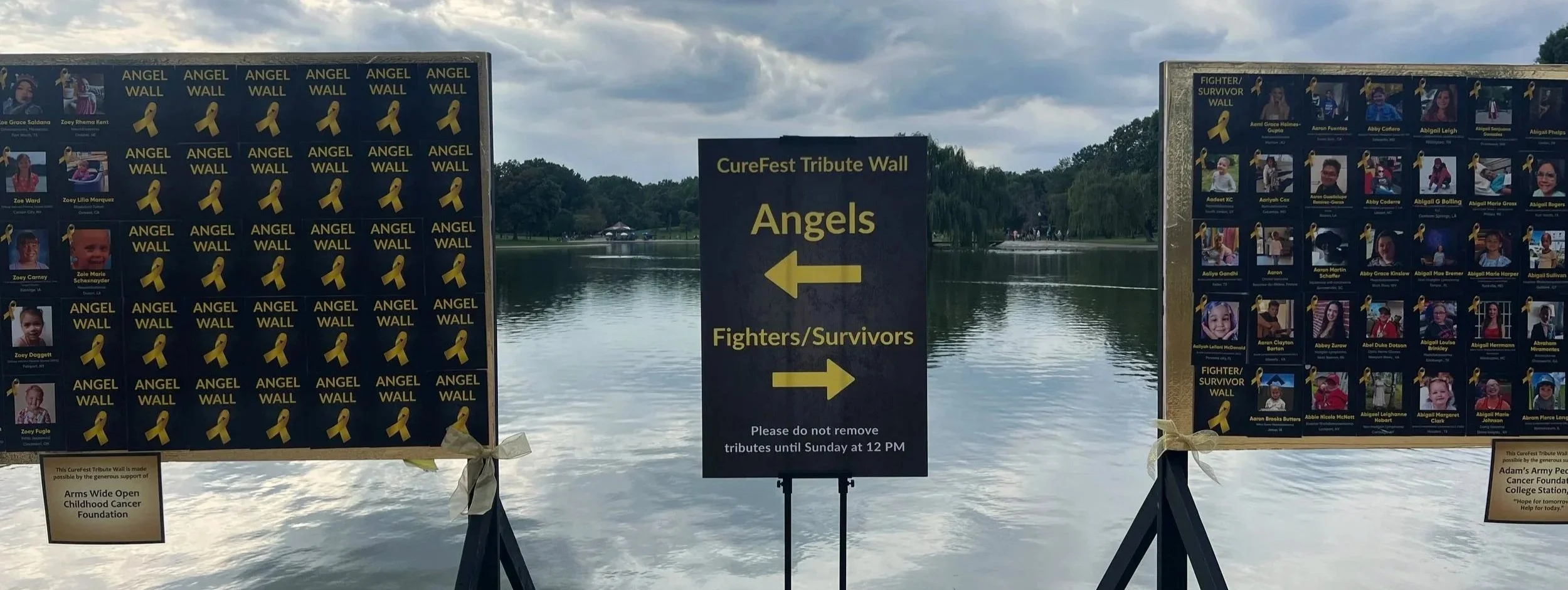
Stepping onto the National Mall in the nation’s capital, it’s impossible not to be affected by the sanguine beauty of the nearly seven-acre Constitution Gardens Pond. As participants entered CureFest on the edge of the National Mall, a tribute wall ran all along the dirt walkway and the images of each child had greater power against this spacious, peaceful body of water.
Each year the annual CureFest is a gathering place for families to commemorate those who have passed and to band together to fight for a future without childhood cancer. Inside the bustle of traffic as families stopped by our table and our fellow sponsors of CureFest, I was reminded of the resilience of our community in fighting for better laws and policies. Many thanks to the organizers of CureFest for another successful year of this community-building event.
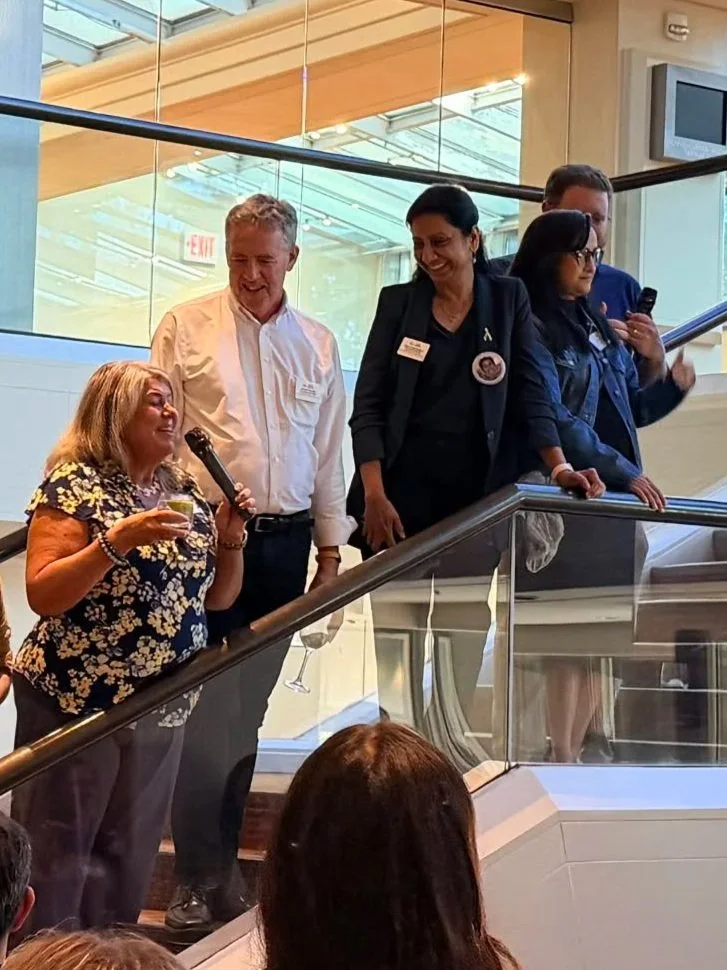
Throughout the week, we saw many of our partners in the Coalition Against Childhood Cancer (CAC2) which hosted a lovely member reception. Steve, a CAC2 Board Member, is pictured center.
CureFest was the culmination of a week of action and call for better outcomes for children with cancer as families, survivors, researchers, clinicians, and advocates came together to make their voices heard.
Each gathering had its own focus, but the commitment running through them was unmistakable.
At Rally for Medical Research Hill Day, advocates met with congressional offices to make the case for sustained investment in medical research. Discoveries that lead to better treatments take time, expertise, and dependable support. For children with cancer, that investment can shape both their chances of survival and their quality of life afterward. You can still join in from home by asking Congress to support robust funding for NIH, complete the FY2027 appropriations process as soon as possible, and ensure that NIH can support life-saving research by permanently rejecting a harmful Office of Management and Budget rule that would undermine and politicize cancer research.
That same day - also on Capitol Hill - was the annual Childhood Cancer Summit, hosted by the Congressional Childhood Cancer Caucus. The Summit highlighted how bipartisan advocacy has advanced childhood cancer research, strengthened data sharing and clinical trials, and expanded access to promising treatments. And it highlighted how much work remains.
As Rep. Michael McCaul (TX-10) prepares to conclude his two decades of service in Congress, we are especially grateful for his leadership. Seventeen years ago, he founded the Congressional Childhood Cancer Caucus and has remained a steadfast champion for children with cancer and their families. His leadership helped build bipartisan momentum behind landmark measures including the RACE for Children Act, Childhood Cancer STAR Act, Creating Hope Act, and the Mikaela Naylon Give Kids a Chance Act.
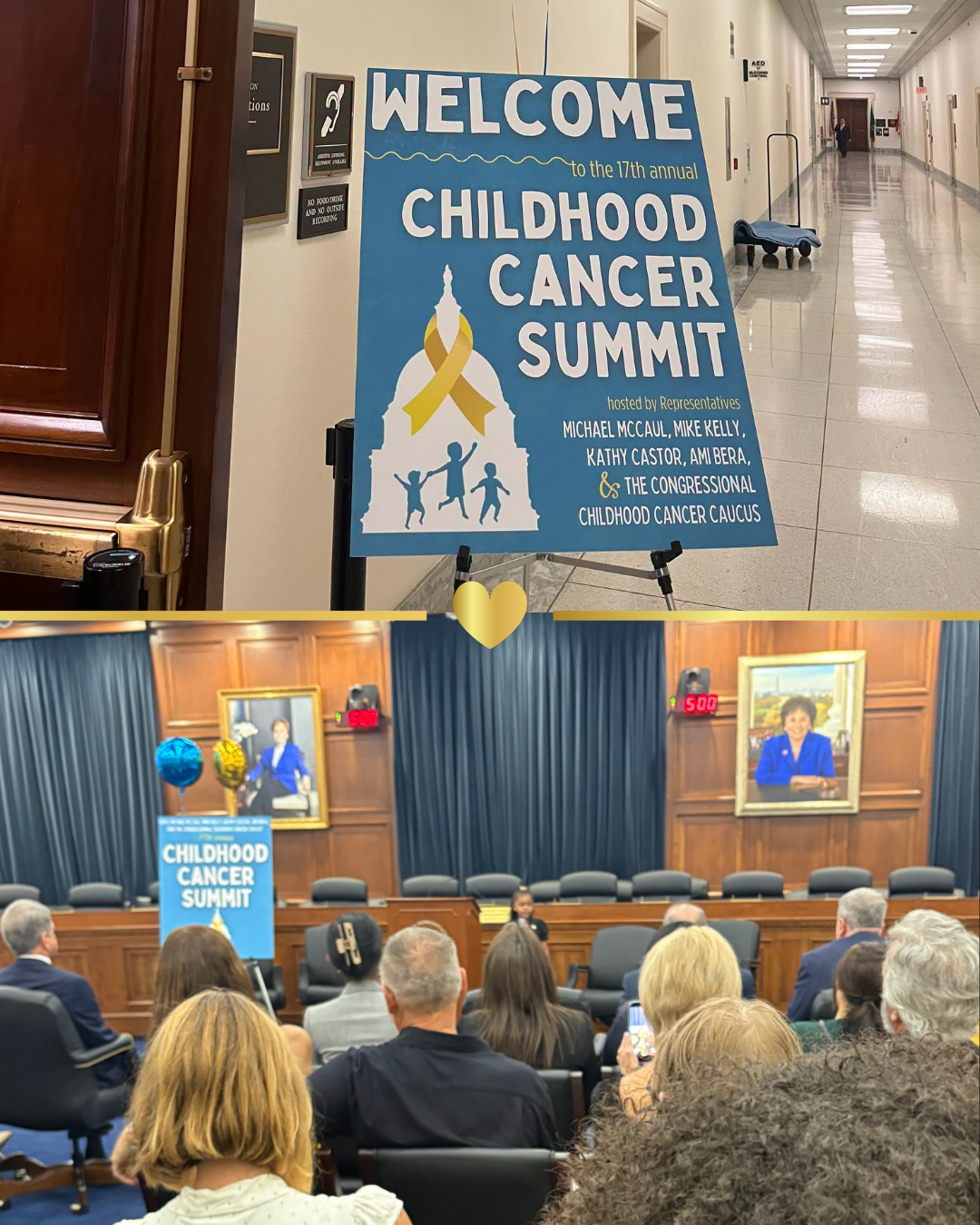
17th Annual Congressional Childhood Cancer Summit, September 17th
At an event to mark his departure from Congress, new legislation - the Ailani Myers Accelerating Innovation in Medicine (AIM) to Cure Kids with Cancer Act - was unveiled. The bill, to accelerate breakthroughs in pediatric cancer by leveraging artificial intelligence, codifies and strengthens the National Cancer Institute’s Childhood Cancer Data Initiative, authorizing federal support to collect, connect, and share pediatric cancer data.
We also thank Caucus co-chairs Reps. Ami Bera (CA-6), Kathy Castor (FL-14), and Mike Kelly (PA-16) for carrying this vital work forward, and we're inspired by the young advocates whose courage and voices continually remind Congress what is at stake.
During the week, I spoke during the public comments section of the FDA’s meeting on recommendations for the Public Meeting on the Recommendations for the Prescription Drug User Fee Act (PDUFA) Reauthorization. This legislation provides the FDA with user fees to sustain its work that are generated by biopharma companies.
As a patient advocacy organization, we believe PDUFA is vital to the FDA’s work in evaluating and approving new therapies and ensuring that relevant drugs are studied in children.
Over the past decade, PDUFA has enacted into law the Research to Accelerate Cures and Equity (RACE) For Children Act. The RACE Act requires adult cancer drugs that are molecularly relevant in pediatric cancers be evaluated in children. The RACE Act has stimulated an increase in early pediatric oncology studies.
Today we face a dilemma that drugs that are approved for adults and show promise in children may not be studied further in children because they are not commercially viable. But the delineation between drugs for adults and those for children is becoming obsolete as we better understand the unique biology of children. Future cures lies in studying combination drugs, repurposed drugs and public private partnerships to address the promise of emerging treatments.
Children’s cancer treatment has been marked by decades of improved survival outcomes in many types of childhood cancer, although progress is tempered due to persistent and late toxicities of treatment. We are now in an era of precision medicine and promise. With an increasing understanding of genetics, specific biomarkers and drug targets, the promise of safer and more effective therapies portends a promising future.
A robust and continued commitment through PDUFA will enable the FDA to support future advances.
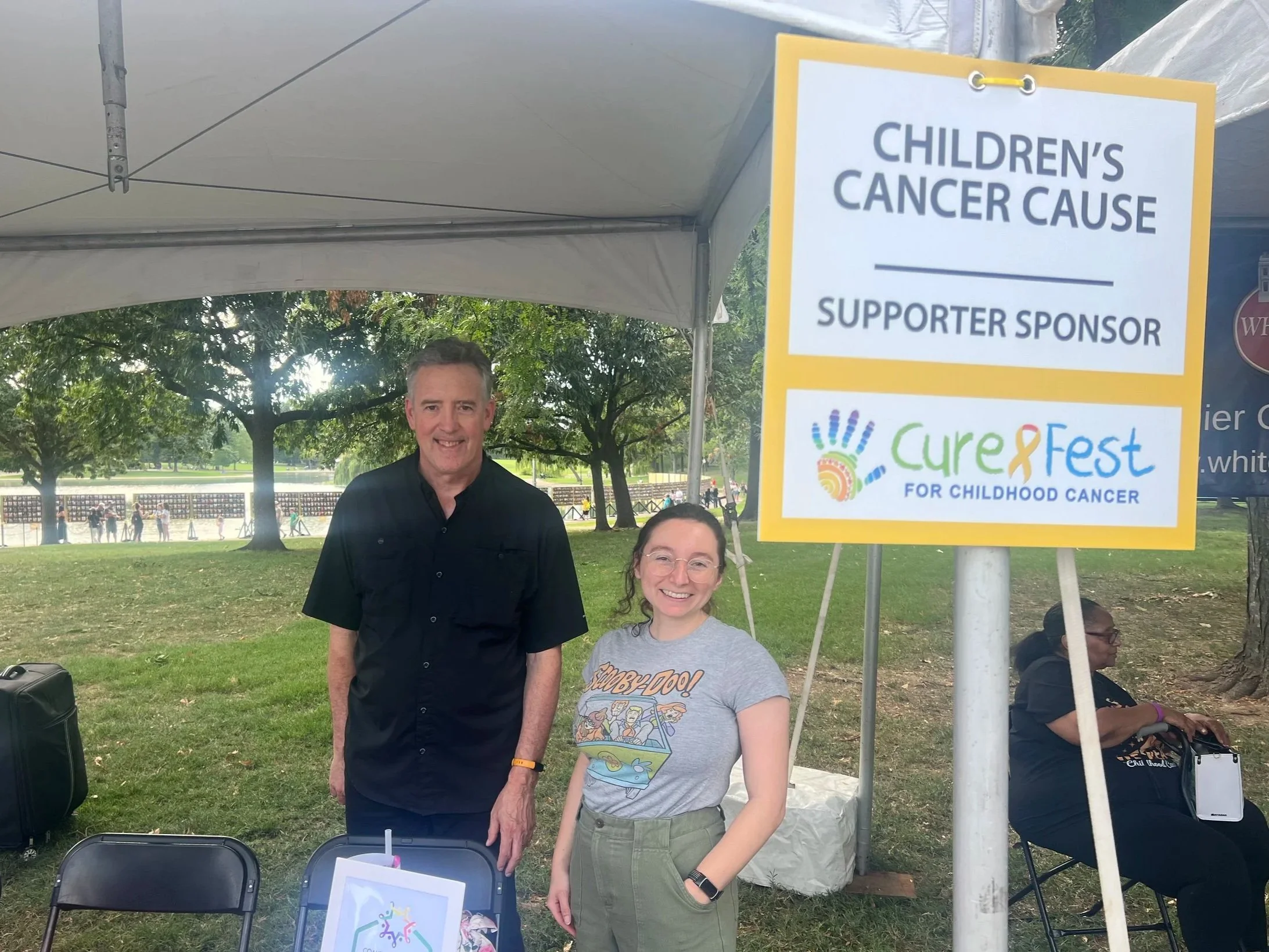
Pictured is Steve with survivor and volunteer Amelia, a member of our Survivorship Advisory Council
It was an honor to meet all of you who stopped by our booth at CureFest to say hello and learn about our policy priorities and advocacy initiatives.
Many of you joined our Kids Action Network (KAN) and met two of our College Scholars alumni, one who is nearing the completion of medical school and the other who is finishing her doctorate in public health. Their personal experience as childhood cancer survivors will inform the healthcare they deliver in the future — and informs our work today through their participation on our Survivorship Advisory Council.
Their perseverance is a reminder of why the work of our community is urgent and why it must be guided by the people most affected.
I came away grateful for everyone who made the trip, shared a story, listened, or spoke up. Childhood Cancer Awareness Month asks us to pay attention.
This community asks us to carry that attention forward: into stronger research, safer and more effective treatments, and better support for survivors and families throughout their lives.
As the month comes to a close, the work is just getting started. Your support of Children’s Cancer Cause helps that work move forward.
Thank you for making this month — and this work — about More Than Awareness.