
Childhood Cancer Facts and Figures
All statistics are for U.S. children from birth through age 19, unless stated otherwise. Survivorship findings concern people of any current age, who had cancer as a child or teenager. These statistics rely on the most recent published data, and sources are listed at the bottom of this page.
This page was last updated in October 2026.
Diagnosis
Approximately 15,000 children and adolescents in the U.S. are diagnosed with cancer each year: In 2026, an estimated 9,680 children (ages 0 to 14 years) and 5,660 adolescents (ages 15-19 years) will be diagnosed with cancer.
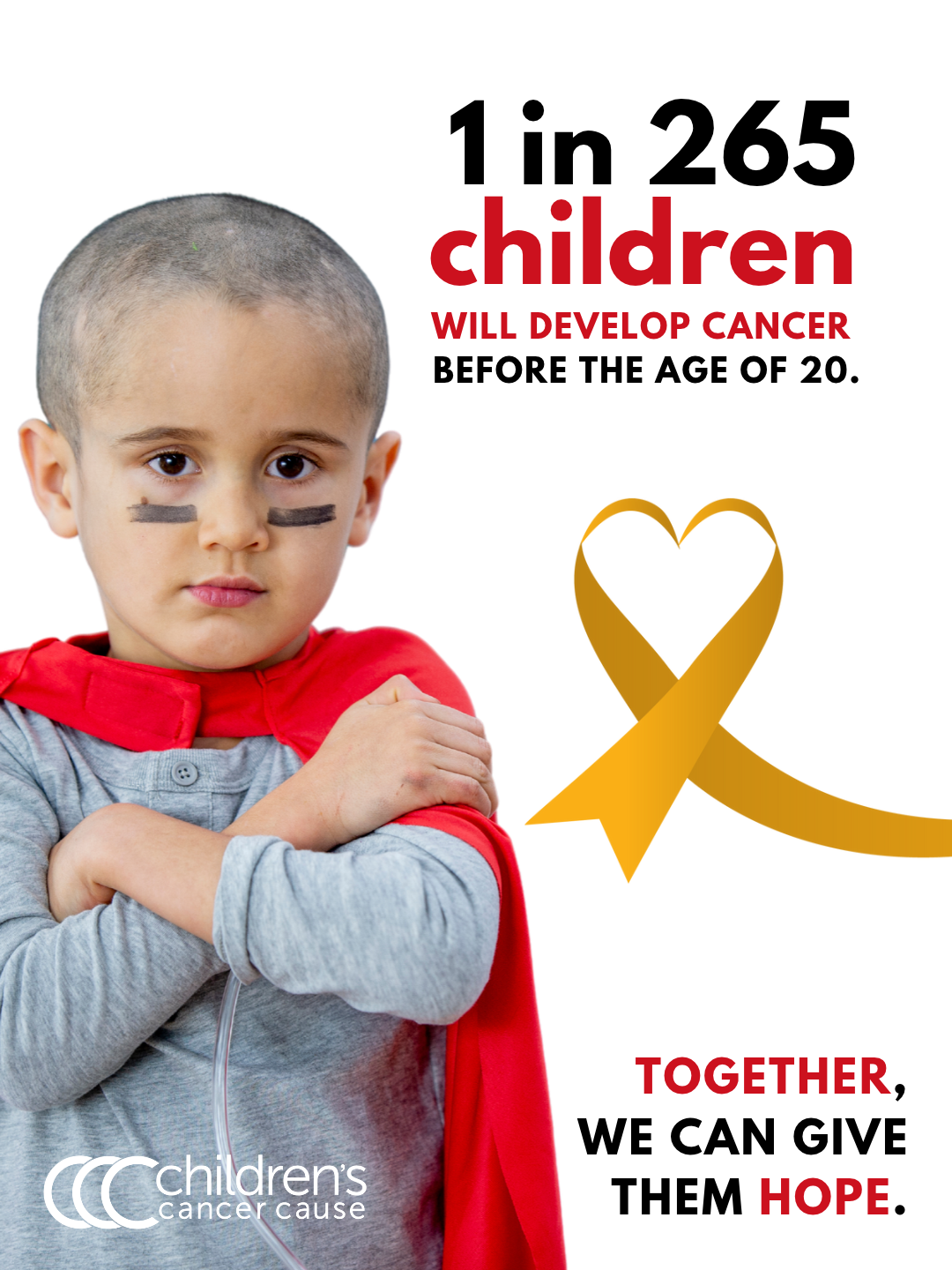
One in 265 children & adolescents is estimated to be diagnosed with cancer before the age of 20 years.
The average age at diagnosis is 10 overall (ages 0 to 19), 6 years old for children (aged 0 to 14), and 17 years old for adolescents (aged 15 to 19).
Childhood cancer is not one disease - there are 12 major types of pediatric cancers and over 200 subtypes.
The most common cancers in children and adolescents are leukemia (28% and 13%, respectively); brain and central nervous system, including benign and borderline malignant tumors (27% and 22%); and lymphoma (11% and 19%).
It is estimated that there will be 13.7 million cases of childhood cancer between 2020-2050, based on a 2020 global projection for children ages 0-14. Unless there are major improvements in diagnosis and treatments, 45% of those cases will go undiagnosed, and 11.1 million will die if no further investments in interventions are made.
Survival - and Long-Term Health Impacts
Cancer in children and young adults is different from cancer that develops later in life. Some of the unwanted side effects of cancer treatments cause more harm to children than they do to adults. This is because children's bodies are still growing and developing, so cancer and its treatment are more likely to affect developing organs.
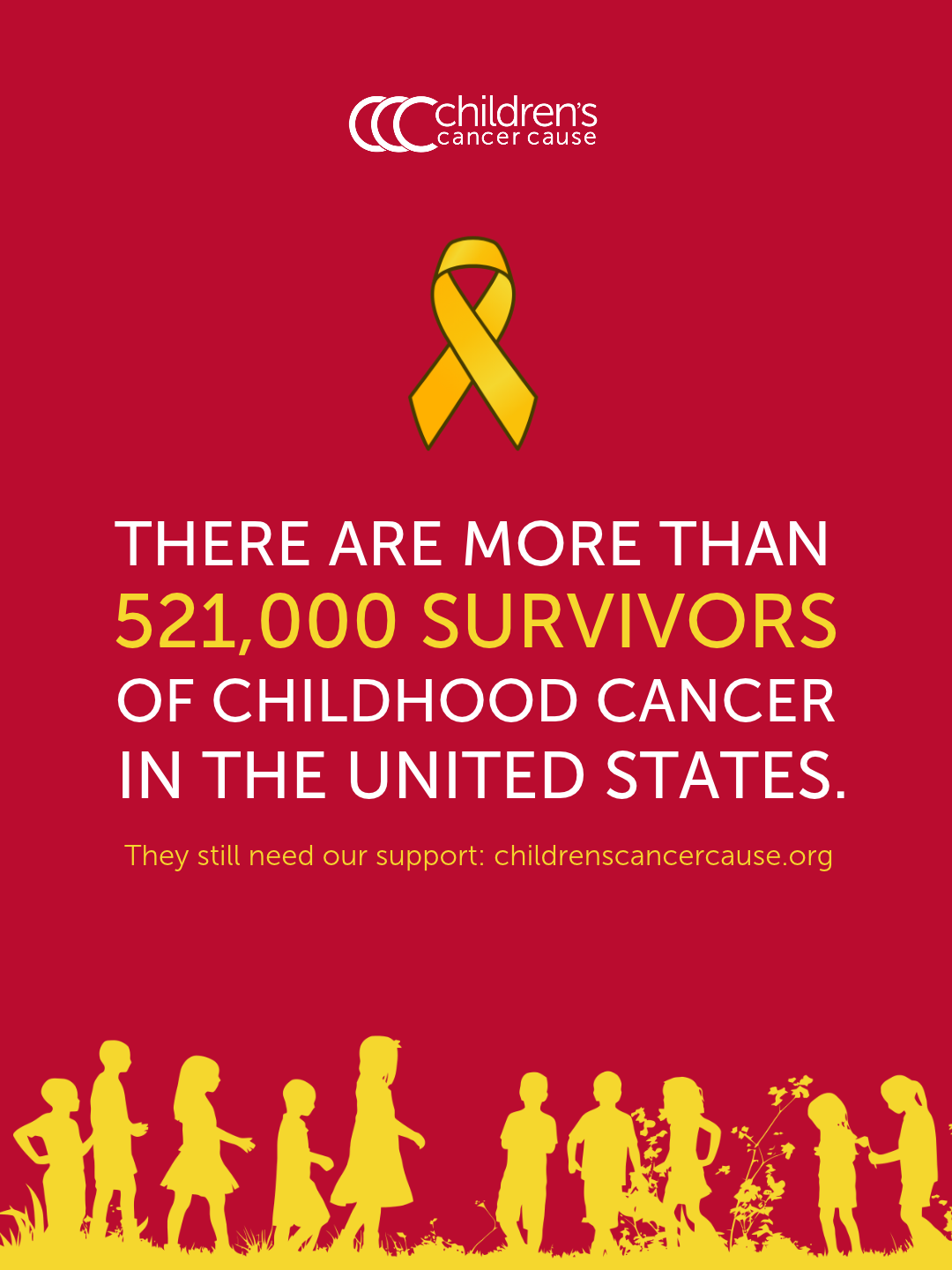
As of 2022, more than 521,000 pediatric cancer survivors were living in the United States, a number projected to exceed 580,000 by 2040.
By age 50, 96% of childhood cancer survivors had at least one chronic health condition rated as severe, disabling, life-threatening, or fatal, according to a long-term survivor study (Bhakta 2017). The same study finds that survivors experience nearly twice as many chronic conditions (an average of 17 over time, by age 50) as their peers without a history of cancer.
Cognitive impairment affects up to one-third of childhood cancer survivors.
Researchers found that childhood cancer survivors experience approximately 5% faster aging (and biological ages that are 5-16 years older) than peers without a cancer history. Survivors in their 30s may show frailty similar to healthy adults in their 60s.
A large follow-up study of pediatric cancer survivors found that almost 10% developed a second cancer (most commonly female breast, thyroid, and bone) over the 30-year period after the initial diagnosis.
Female childhood cancer survivors who were treated with chemotherapy have a 4.6-fold higher risk of breast cancer than the general population. For those who received chest radiation, that risk can be substantially higher and is on par with those who have the BRCA1 or BRCA2 mutations.
One study found that childhood cancer survivors are at a 15-fold increased risk of developing Congestive Heart Failure, compared to their siblings. Another finds childhood cancer survivors at 7-fold higher risk of premature death due to cardiac causes, when compared with the general population. There is a strong dose-dependent relation between anthracycline chemotherapy exposure and CHF risk, and the risk is higher among those exposed to chest radiation.
Children who were treated for bone cancer, brain tumors, and Hodgkin lymphoma, or who received radiation to their chest, abdomen, or pelvis, can face particularly high risks of serious late effects from their cancer treatment, including second cancers, joint replacement, hearing loss, and congestive heart failure.
Life expectancy for five-year childhood cancer survivors has improved as treatments have advanced. Encouragingly, a study of survivors of standard-risk acute lymphoblastic leukemia treated with risk-stratified regimens used in the 1990s found that their risks of health-related late mortality and second cancers were comparable to those of the general population during the study’s follow-up period.
Nearly a quarter of childhood cancer survivors experience at least one debilitating neuromuscular condition 20 years post diagnosis.
Mortality:
Cancer is the number one cause of death by disease among children and adolescents in the United States.
Approximately, 1,090 children and 730 adolescents will die from cancer in 2026.
In the United States, five-year relative survival for all cancers combined increased from 58% in the mid-1970s to 86% for children ages 0–14, and from 68% to 88% for adolescents ages 15–19, among those diagnosed between 2016–2022.
Cancer survival rates vary not only depending upon the type of cancer, but also upon individual factors attributable to each child. Pediatric cancer death rates fell 58% from 1975 to 2024, but much of that gain came from leukemia and lymphoma; mortality declines for other cancers have been much slower.
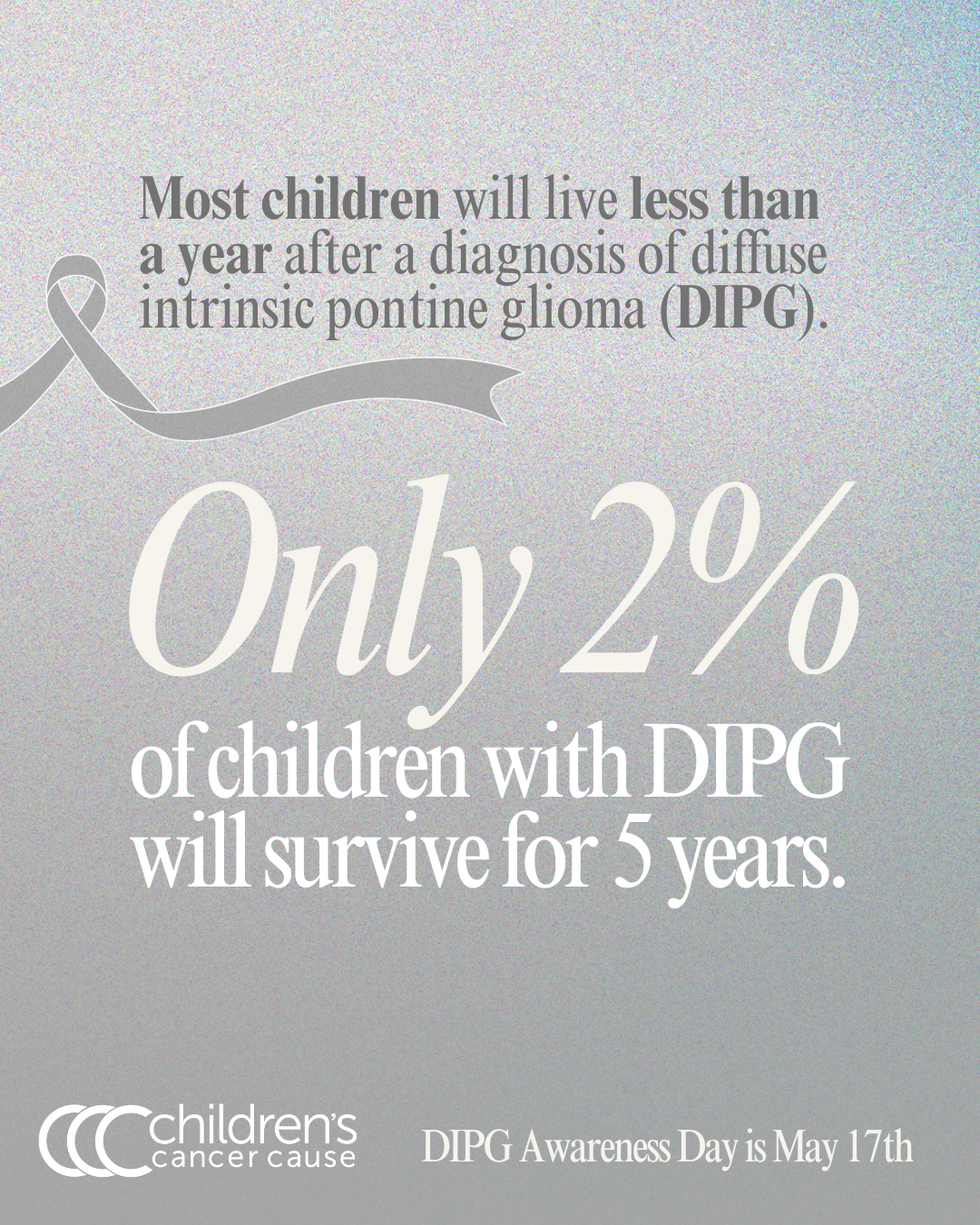
Five-year survival rates can range from approximately 2% for cancers such as DIPG, a type of brain cancer, to approximately 90% for the most common type of childhood cancer known as acute lymphoblastic leukemia (ALL).
The most common causes of death in childhood cancer survivors are: the primary cancer comes back; a second (different) primary cancer forms; and heart and lung damage.
There are about 68 potential life years lost on average when a child dies of cancer.
Diffuse intrinsic pontine glioma (DIPG) represents approximately 80% of the malignant brainstem tumors occurring in children. Despite numerous clinical trials, the outcome of children with DIPG continues to remain dismal, with a median survival of only 11 months and a 2-year overall survival (OS) rate of less than 10%.
Disparities:
While five-year survival rates in the U.S. exceed 90% for cancers such as Hodgkin lymphoma, thyroid cancer, and retinoblastoma, other aggressive cancers including certain gliomas and sarcomas still have survival rates below 25%.
Hispanic children experience the highest cancer incidence rates, according to 2022 data cited by AACR.
Children in rural or economically disadvantaged areas face greater barriers to specialized care, clinical trials, and supportive services. Children living in persistent-poverty neighborhoods face a 26% higher adjusted hazard of cancer death within three months of diagnosis.
Adolescents are less likely than younger children to participate in childhood cancer research. A study of U.S. patients diagnosed between 2007 and 2018 found that 20.1% of adolescents ages 15–19 enrolled in Children’s Oncology Group research studies, compared with 53.7% of children ages 0–4. These figures include both treatment trials and other research studies.
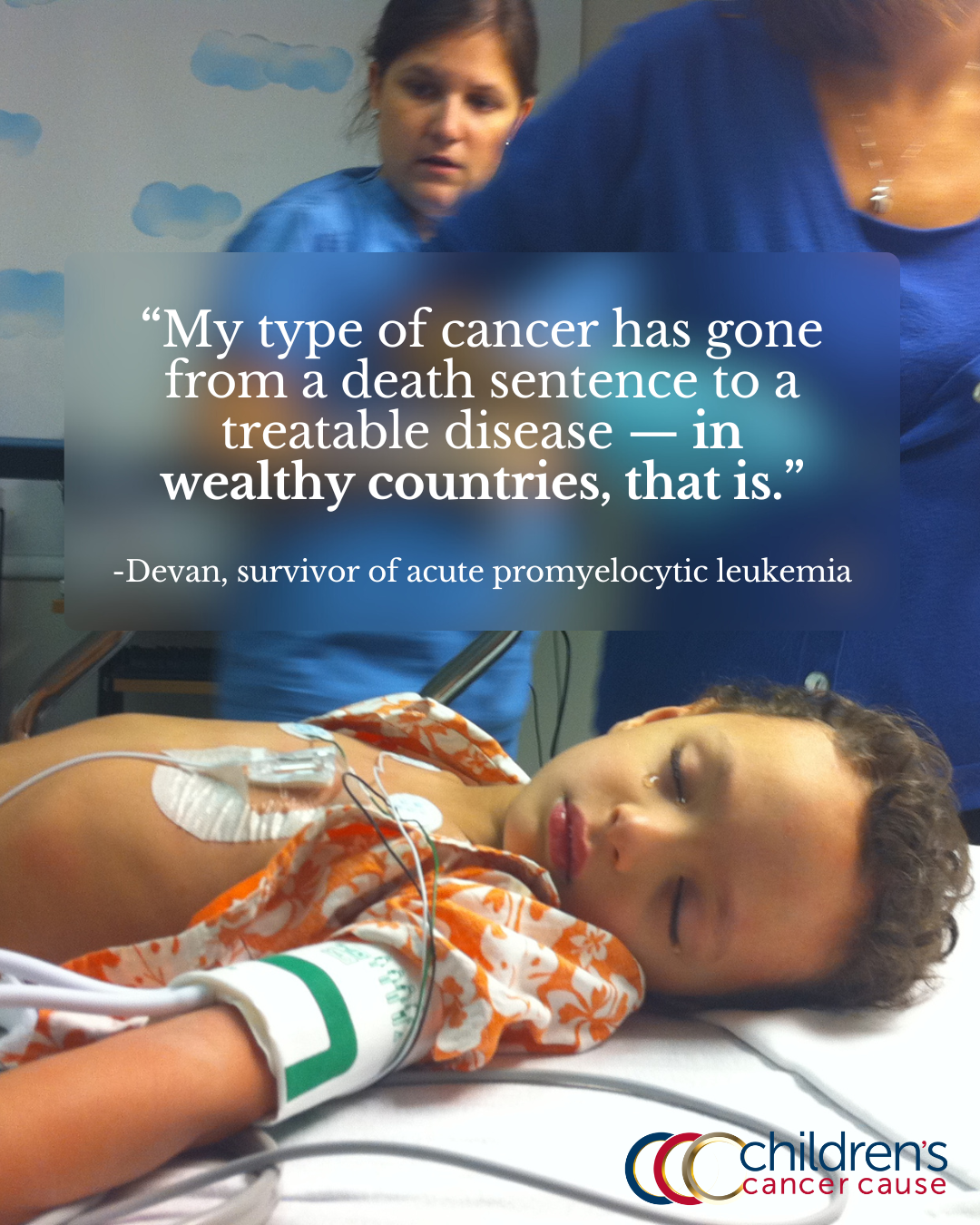
Worldwide, close to 470,000 children develop cancer each year, an estimate of the underlying burden that accounts for underdiagnosis. Up to 90% of cases occur in low- and middle-income countries where survival rates are far lower due to underdiagnosis, limited treatment resources, and delays in care. For example, retinoblastoma survival approaches 98% in high-income countries but can fall to 57% in low-income countries.
Drug Development and Research
Between the years of 2009 and 2019, nine of the 11 drugs used to treat acute lymphoblastic leukemia — which is the most common childhood cancer — were in and out of shortage.
Very few new cancer therapies started as drugs developed specifically for children. Of 122 new cancer therapies approved during 2016–2025, four were initially developed specifically for children.
Pediatric treatment options have expanded, including through drugs initially developed for adults. Between 2015 and 2025, the FDA approved more than 20 molecularly targeted therapies and more than 10 immunotherapies for pediatric cancers. These advances have brought important new treatment options to children and adolescents, even as relatively few new cancer drugs are developed specifically for children from the outset.
Drug shortages can delay childhood cancer treatment and disrupt clinical trials. In a 2023 Alliance for Childhood Cancer survey, more than half of responding patients, survivors, and families reported experiencing a drug shortage during treatment.
The median lag time from first-in-human to first-in-child trials of oncology agents that were ultimately approved by FDA was 6.5 years, during the period of 1997-2017.
Each year, approximately 4,000 children who are diagnosed with cancer enroll in a COG-sponsored clinical trial affiliated with the NCI-supported Children’s Oncology Group (COG). COG is the world’s largest organization that performs clinical research to improve the care and treatment of children and adolescents with cancer.
Molecular testing can help refine a childhood cancer diagnosis and identify potential treatment options and clinical trials. The NCI’s Molecular Characterization Initiative provides testing at no cost to eligible participants with selected newly diagnosed cancers, generally through COG–affiliated hospitals. As of July 2026, more than 10,000 children, adolescents, and young adults had enrolled. (Source: NCI, updated July 13, 2026)
Psychosocial Care and Quality of Life Impacts
Childhood cancer threatens every aspect of the family's life and the possibility of a future, which is why optimal cancer treatment must include psychosocial care. For children and families, treating the pain, symptoms, and stress of cancer enhances quality of life and is as important as treating the disease.
The provision of psychosocial care has been shown to yield better management of common disease-related symptoms and adverse effects of treatment such as pain and fatigue. Depression and other psychosocial concerns can affect adherence to treatment regimens by impairing cognition, weakening motivation, and decreasing coping abilities.
Childhood cancer survivors reported higher rates of pain, fatigue, and sleep difficulties compared with siblings and peers, all of which are associated with poorer quality of life.
Changes in routines disrupt day-to-day functioning of siblings. Siblings of children with cancer are at risk for emotional and behavioral difficulties, such as anxiety, depression, and post-traumatic stress disorder.
Symptoms of post-traumatic stress disorder (PTSD) are well documented for parents whose children have completed cancer treatment.
Financial hardship during childhood cancer has been found to affect a significant proportion of the population and to negatively impact family well-being.
Approximately 1 in 5 children who receive a new diagnosis of childhood cancer are already living in poverty.
One study found that during treatment, one in four families lose more than 40% of their annual household income as a result of childhood cancer treatment-related work disruption.
In a 2026 single-center study of 115 recently-diagnosed children, 27% of childhood cancer families experienced household food insecurity and 33% reported nutrition insecurity.
Adolescents with cancer experienced significantly more Health Related Hindrance (HRH) of personal goals than healthy peers, and their HRH was significantly associated with poorer health-related quality of life, negative affect, and depressive symptoms.
Parents have been found to report significant worsening of their own health behaviors, including poorer diet and nutrition, decreased physical activity, and less time spent engaged in enjoyable activities 6 to 18 months following their child’s diagnosis.

Hear from Survivors: Our 2026 Survey
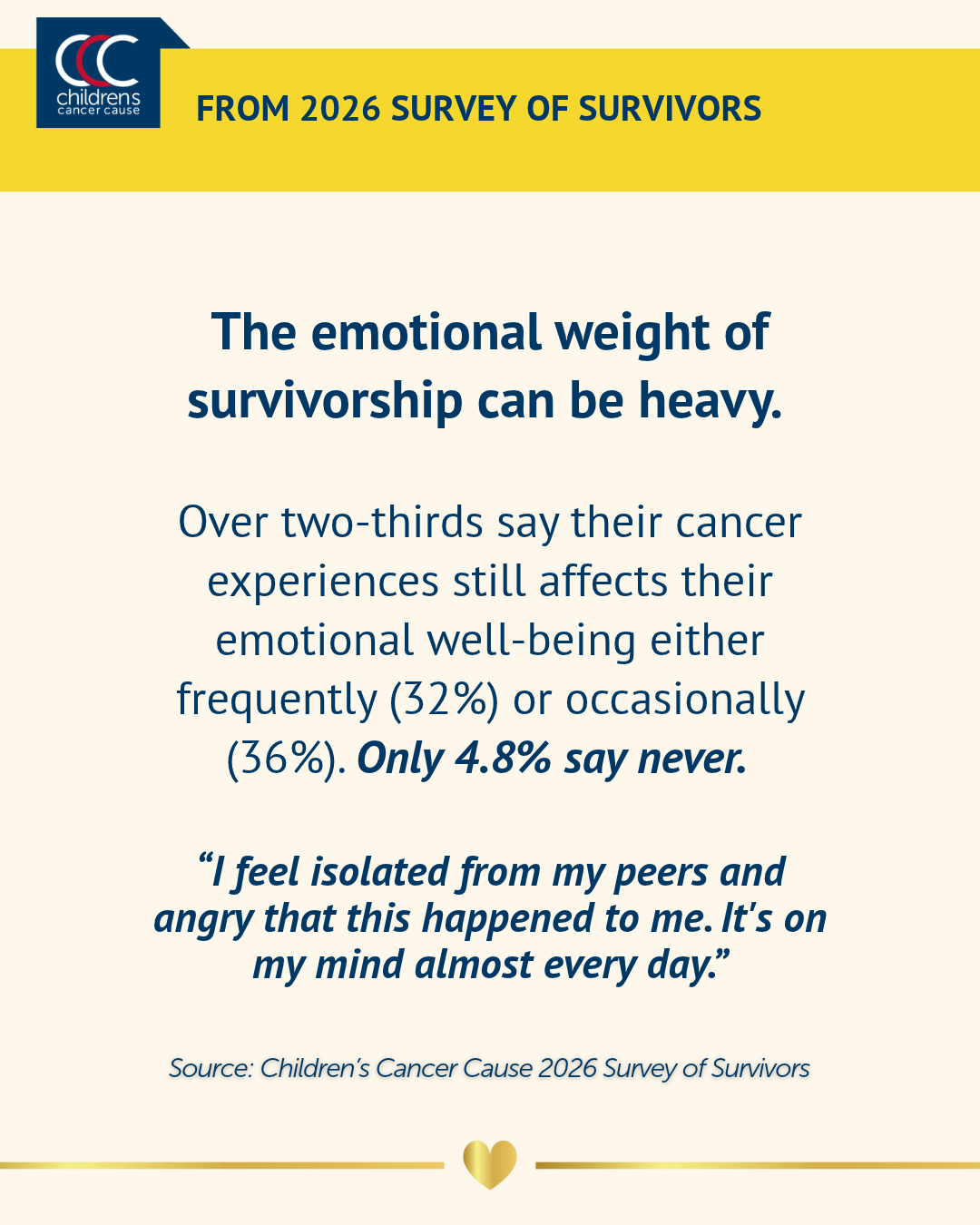
What do these issues look like in everyday life? In our 2026 survey, more than 100 childhood cancer survivors shared their experiences with follow-up care, emotional well-being, financial challenges, and life after treatment. Their responses offer a personal perspective on the challenges described above and help inform our advocacy and survivorship education.
These findings reflect the self-reported experiences of survey respondents and are not necessarily representative of all childhood cancer survivors.