
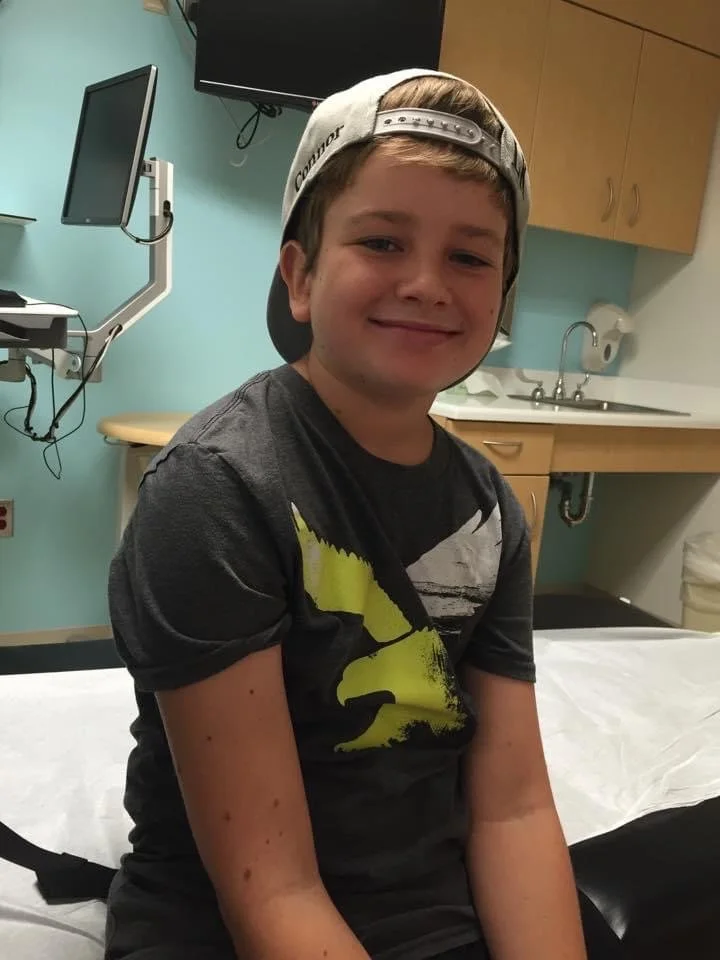
Meet Connor, 2022 Scholar
Our College Scholars receive a financial scholarship to help with academic expenses. Each Scholar commits to undertaking a volunteer project of their choosing related to childhood cancer advocacy, with support and mentorship from the Children's Cancer Cause team.

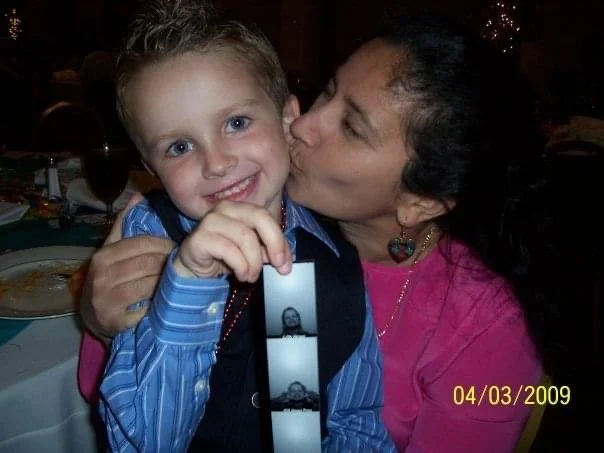
Connor, a native of Helotes, Texas, was diagnosed with an inoperable brainstem glioma when he was three years old. He was given just six months to live.
Multiple brain surgeries, daily radiation for six weeks, ten months of chemo, and a month in the pediatric ICU saved Connor’s life but severely impacted his ability to learn.
”Cancer may have thrown some obstacles my way, but it did not take away my love of life,” says Connor. “Having cancer is not something I would wish on anyone, but for me it is a part of who I am. It has allowed me to see life for what it is: a gift. And it has taught me to never take that gift for granted.”
Today, Connor is an active community volunteer and is studying architecture in college.
“Cancer allowed me to see people and the world from a different perspective. Perhaps that’s why I want to be an architect. I am always looking for ways to make something better.”
Connor’s Advocacy Project
“When a child has cancer, the focus is on making them better. But no one focuses on what’s next,” Connor said. “When the child is better and back in school, being just a ‘normal kid’ is not as easy as it sounds. There are so many challenges that come with the effects of cancer and its treatment. I faced those challenges, with short term memory loss, cognitive issues, and comprehension struggles.”
For his volunteer project, Connor created a slide deck aimed at educators about the learning difficulties that students like him face, introducing them to “non-traditional” teaching methods such as music therapy and vision therapy that worked well for him. He hopes to encourage more school districts to offer additional resources for kids with learning challenges.
“Teachers struggled to teach me because sadly there are no textbooks or guides for children with brain tumors,” Connor said. “I believe all teachers want to help; they just don’t know how. There are tools to help us learn and there are ways to integrate us into the classroom so that our cancer does not define who we are.”