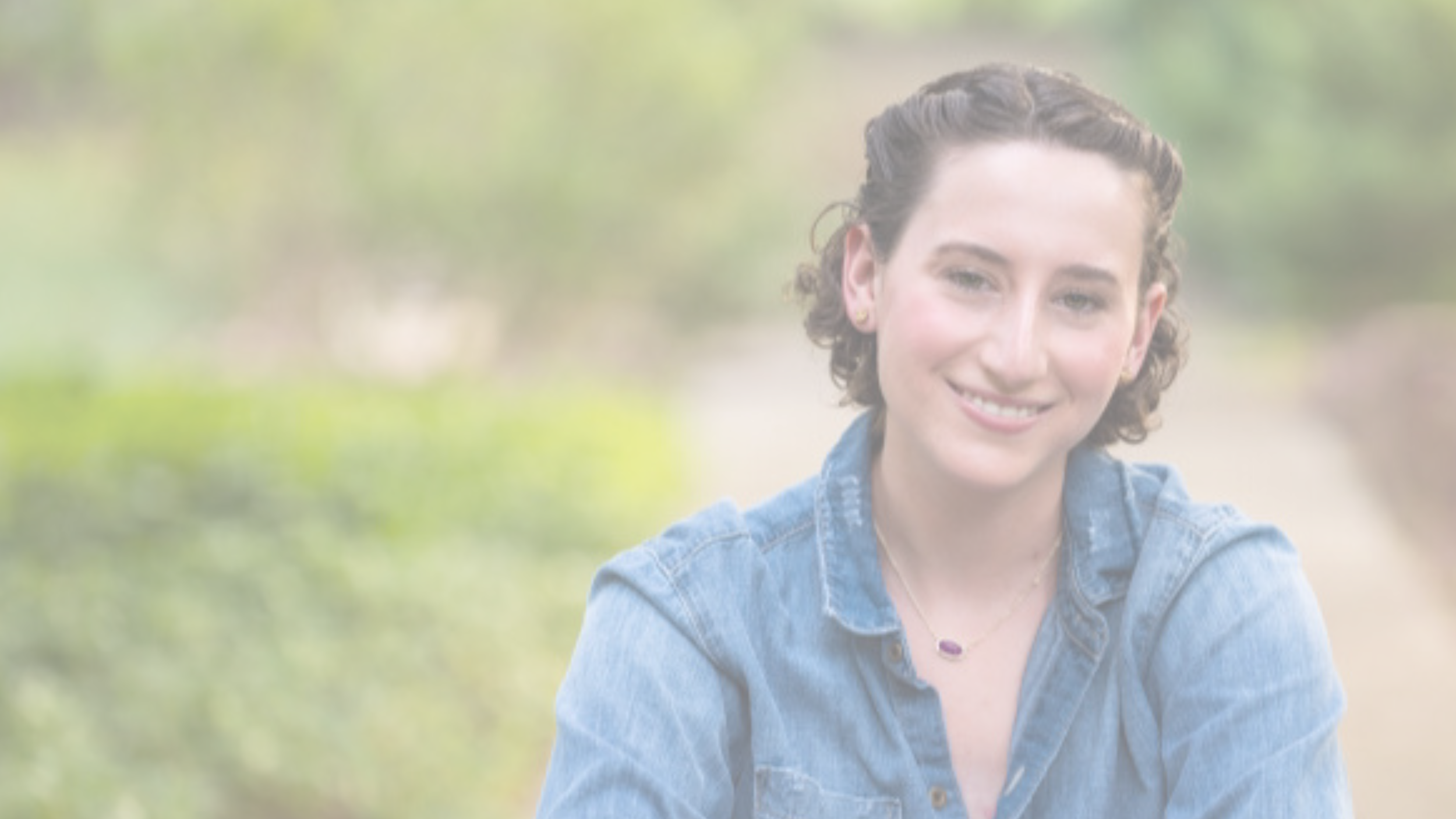
Meet Cierra
2026 Scholar
Carcinoid cancer
Thanks to a generous survivorship program grant from Hyundai Hope On Wheels, twenty-three survivors were welcomed into the 2026 Children’s Cancer Cause College Scholars Program, representing both organizations’ strong investment in survivors and belief in their bright futures.
Each of these students receive a financial scholarship to help with academic expenses, and each Scholar commits to undertaking a volunteer project of their choosing related to childhood cancer advocacy.

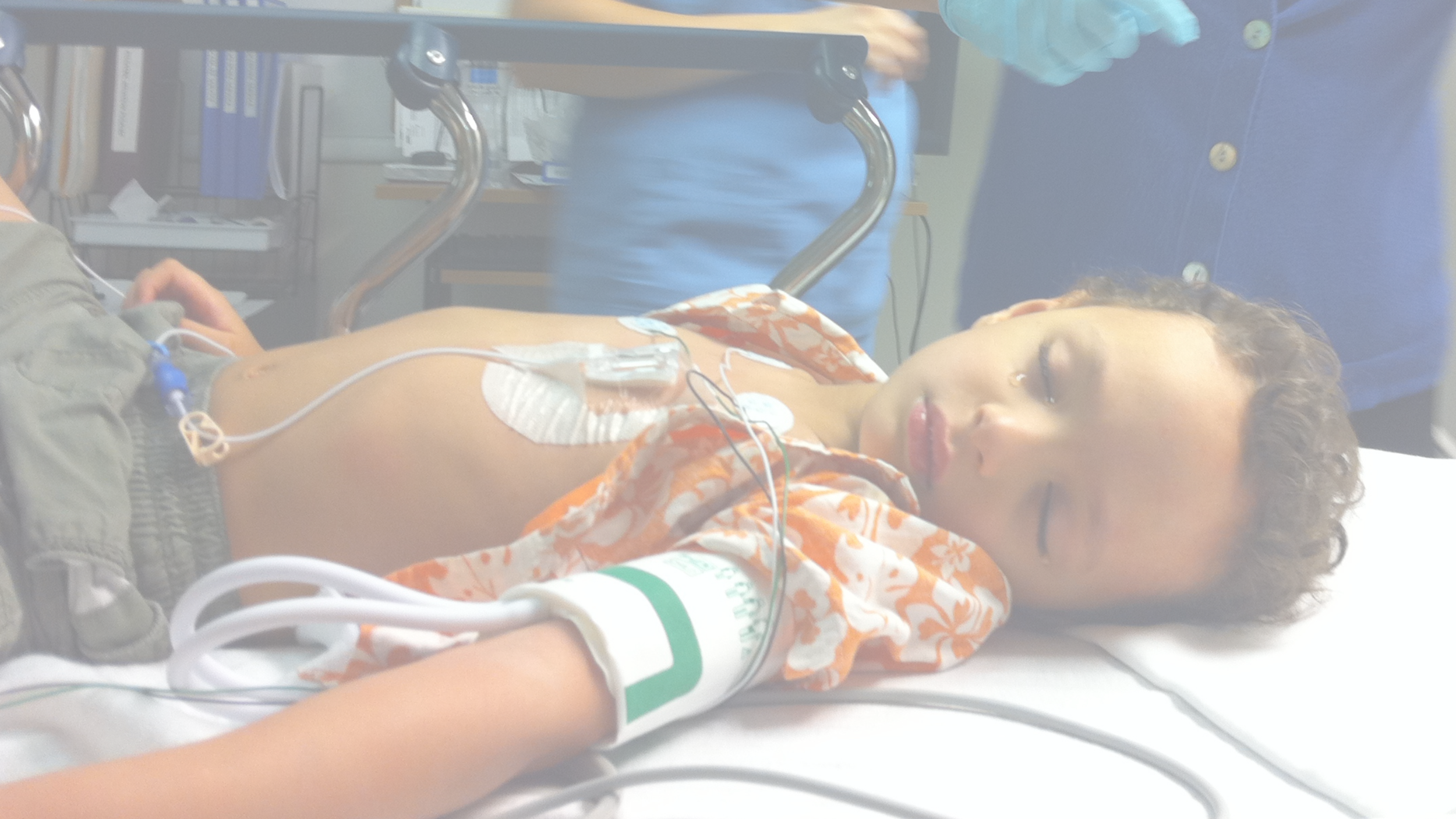
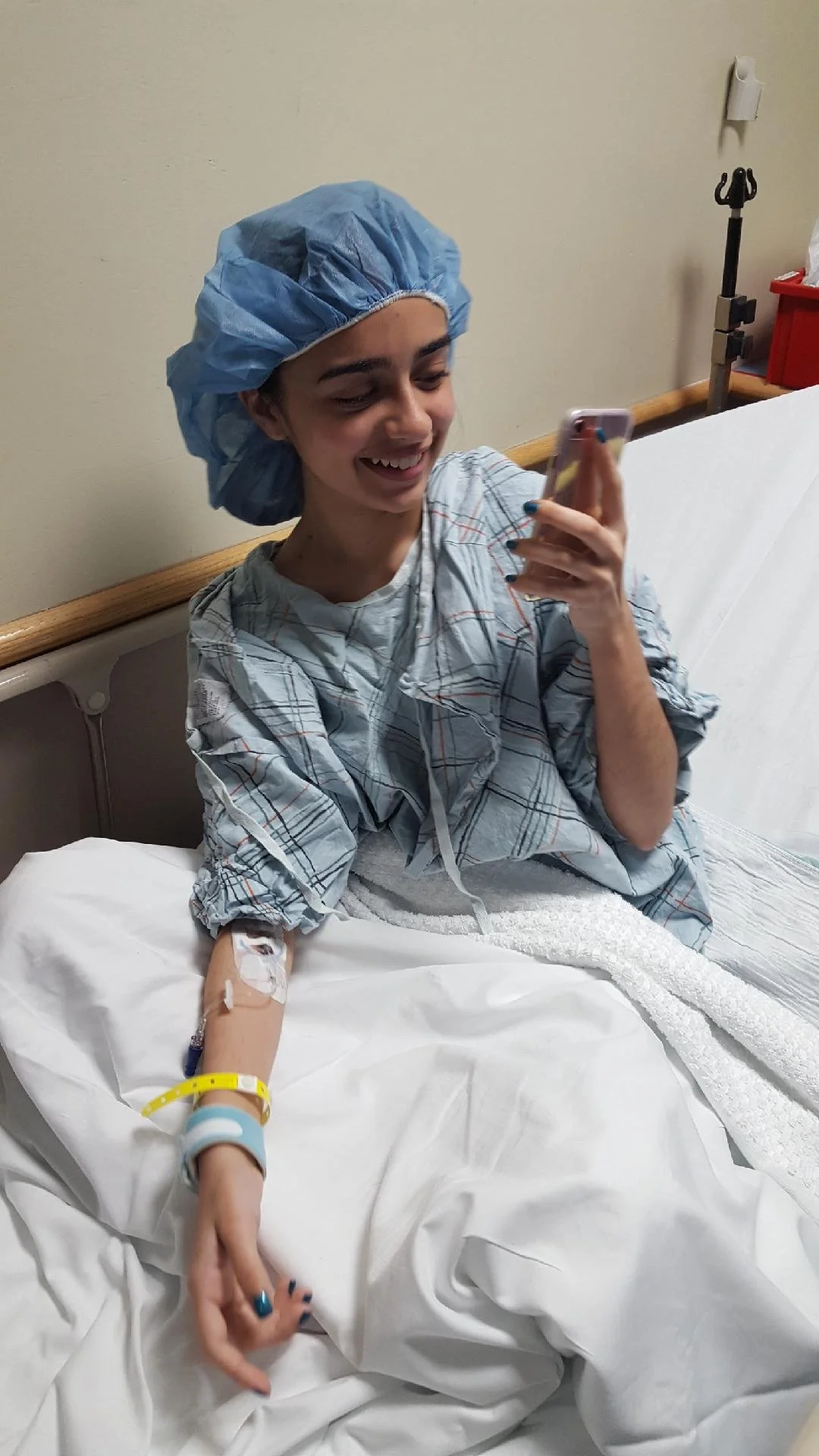
Cierra had breathing troubles for several years leading up to her eventual diagnosis - at age 14 - of a carcinoid tumor growing in her lung. After surgery and chest reconstruction, she thought that was the end of it.
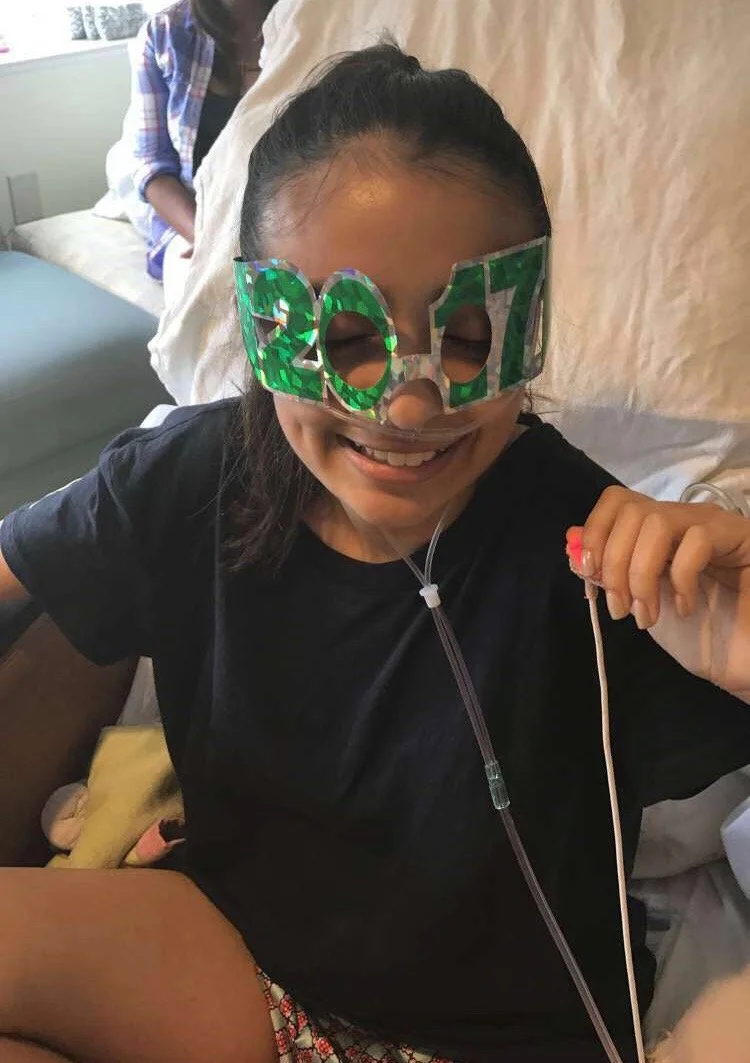
“I was wrong. About a year later, during a routine scan, my oncologist found teeny tiny tumors all over my body,” she told us. “I was devastated, obviously, that my cancer came back and now it was everywhere.”
Now eight years later, those tumors remain but have stayed small, thanks to maintenance therapy and tumor suppressants. Cierra and her doctors consider her cancer as “more of a chronic disease that I’ll have to live with for the rest of my life.”
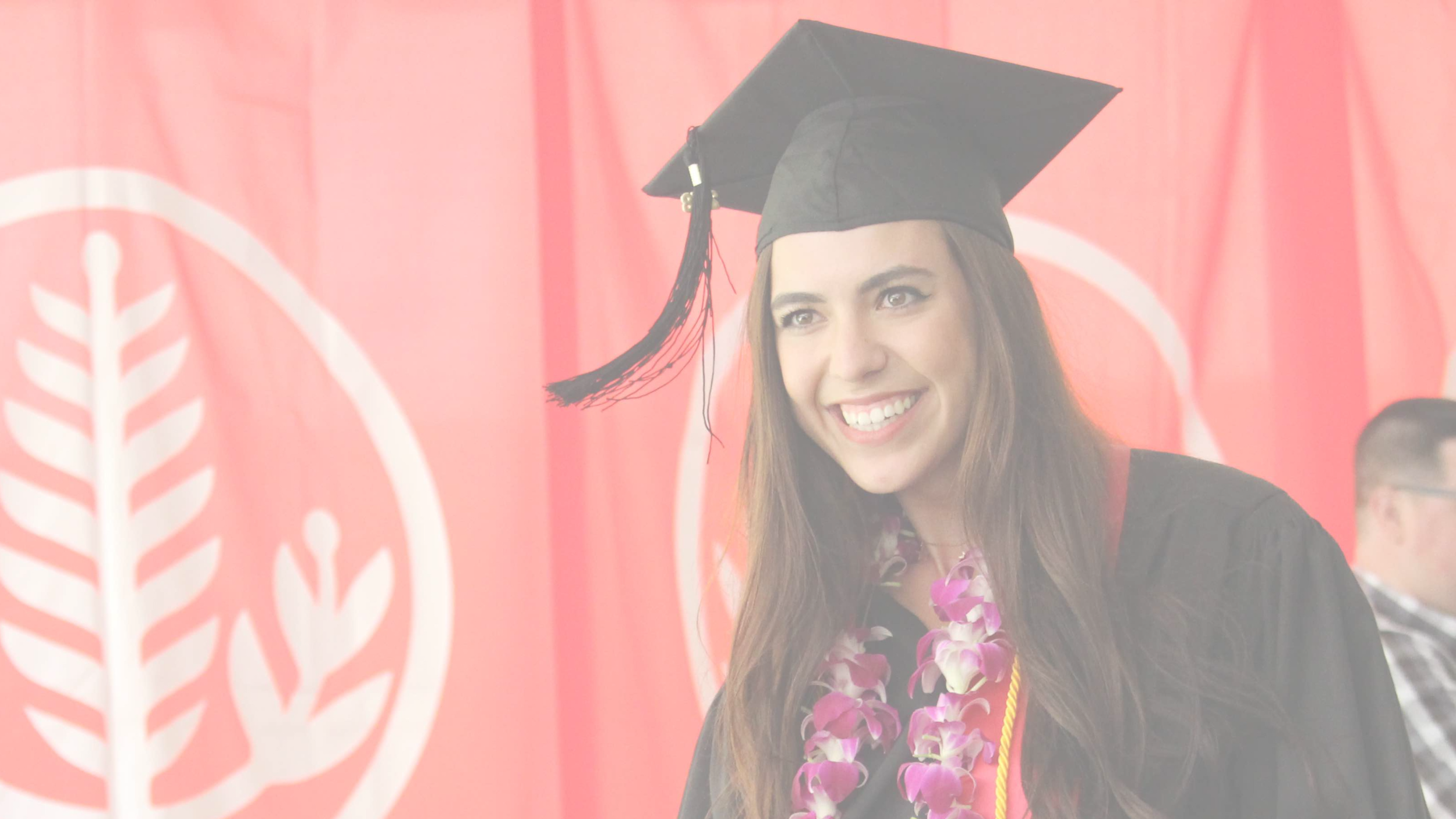
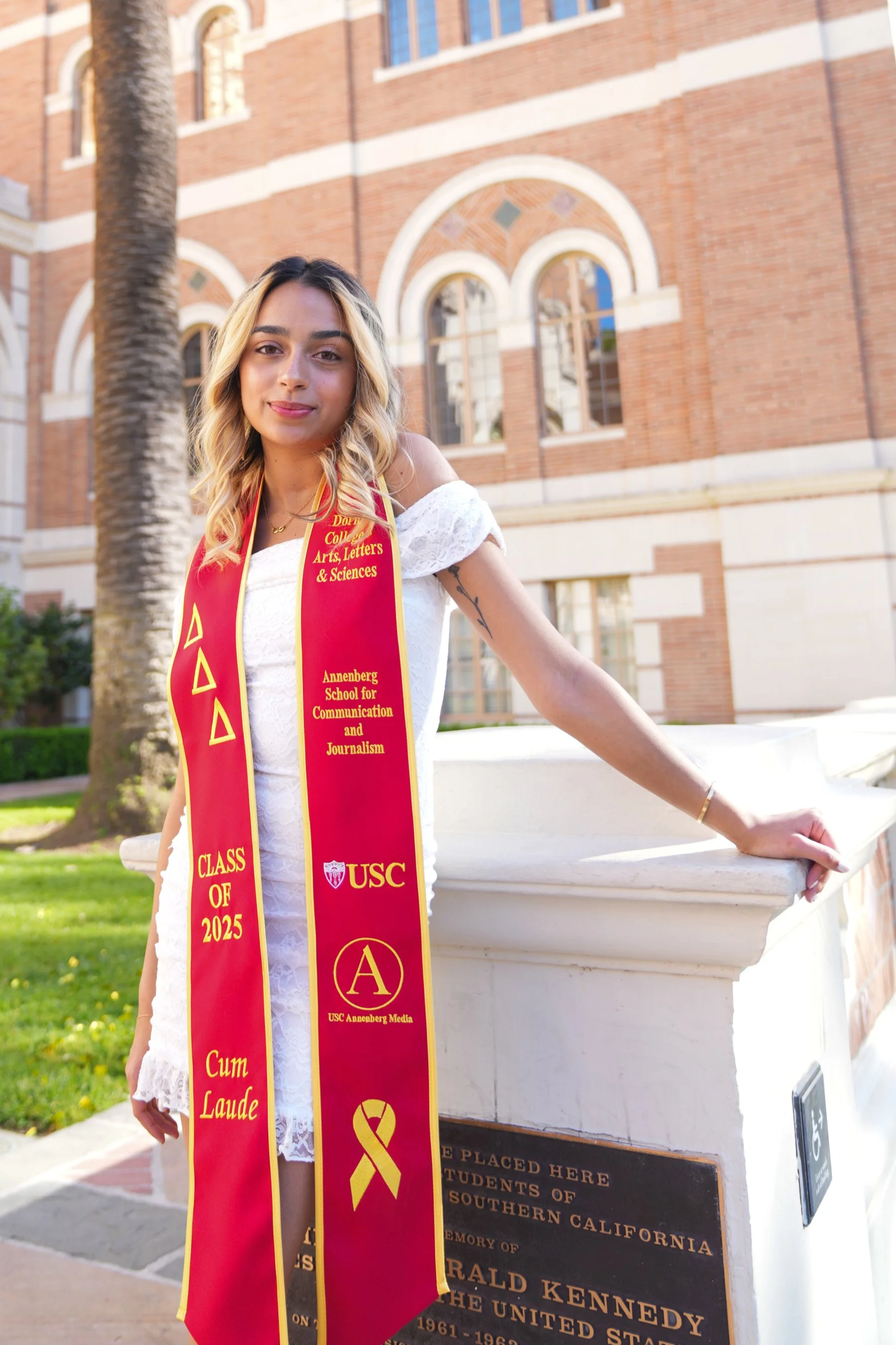
Cierra interned for Children’s Cancer Cause during her undergraduate studies at the University of Southern California, writing a series of guest blog posts on survivorship and mental health. Cierra is now preparing to begin law school.
Cierra’s Advocacy Project
Cierra is planning to create a comprehensive Treatment Transition Toolkit to help adolescent and young adult cancer survivors navigate the practical and emotional realities of transitioning care.
“I experienced firsthand how overwhelming and under-supported the transition periods can be when moving from diagnosis to treatment, treatment to survivorship, pediatric to adult care, and - in my case - survivorship to recurrence.”
Her final product will be a guide that provides actionable support for these vulnerable moments, with vetted resource lists, emotional preparation strategies, and stage-specific checklists.
“No one prepared me for how disorienting ‘normal’ would feel,” says Cierra. “This project allows me to transform that isolation into connection, ensuring other young patients have the roadmap during every stage of their treatment if they are feeling lost.”